Best Wearable for Sleep Tracking for Athletes: Step‑by‑Step Guide
Discover the best wearable for sleep tracking for athletes with our step‑by‑step guide to metrics, accuracy, battery, and ecosystem fit for better recovery.
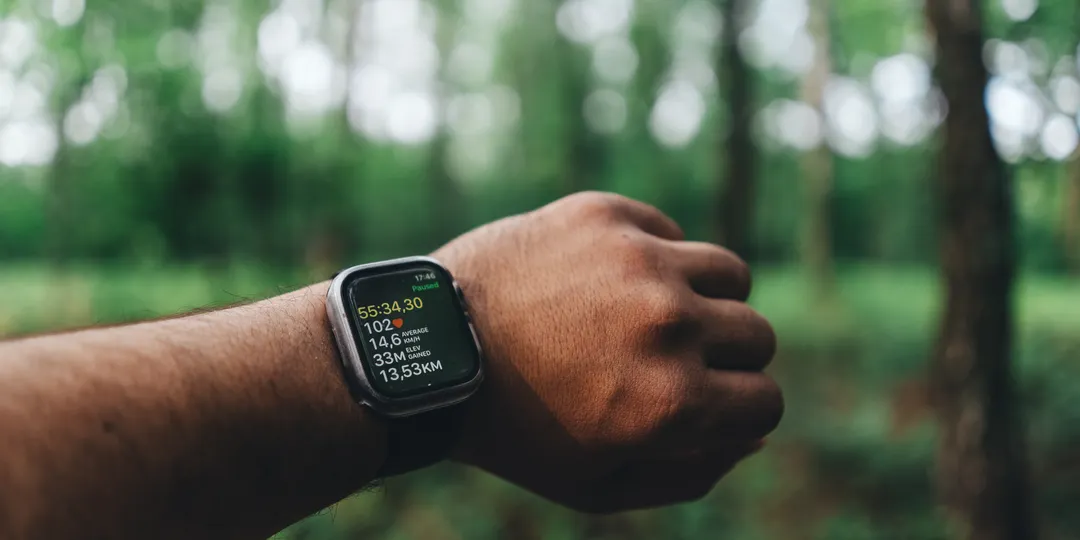
The best wearable for sleep tracking for athletes right now is either the Oura Ring Gen 3 or the WHOOP 4.0. Both deliver research‑grade heart‑rate variability, deep‑sleep and REM data in a form factor that stays on all night. Choose the ring if you prefer a screen‑less, low‑profile device; choose the strap if you want continuous strain scores and a built‑in coaching platform.
Step 1: What sleep metrics should athletes track with a wearable?
Focus on three core numbers: total sleep time (aim for about 7–9 hours), sleep‑stage breakdown (deep sleep around 20 % or more of total, REM around 20 % or more), and nightly heart‑rate variability (HRV) trend. A stable HRV baseline helps you spot early signs of insufficient recovery, which can guide decisions about extra rest days. Most platforms also surface a readiness score that blends these metrics with resting heart rate and respiratory rate. Record the raw values each morning; a noticeable drop in HRV over two consecutive days often signals a need for additional recovery.
Step 2: Compare sensor accuracy for deep‑sleep, REM, and HRV

Look for validation against polysomnography (PSG) in independent lab tests. Devices that publish mean absolute error (MAE) under roughly 10 % for deep‑sleep and REM, and an HRV correlation coefficient above 0.90 versus ECG, are considered research‑grade. The Oura Ring and WHOOP 4.0 both meet those thresholds in published validation studies. Avoid wearables that only report a generic “sleep score” without raw stage minutes; you need the granular data to adjust post‑workout carb timing for muscle growth and to schedule low‑carb pre‑workout snack ideas when glycogen is low.
Step 3: How to compare battery life of sleep tracking wearables for athletes?
Target a minimum of 5 days continuous wear between charges; this covers a typical training block plus a weekend travel workout without needing a charger. The Oura Ring lasts about 7 days, while WHOOP 4.0 runs roughly 5 days with the battery pack attached. Check whether the device charges wirelessly (ring) or via a proprietary dock (strap) and whether a quick‑charge option (≈15 min for 1 day) exists. Long battery life reduces data gaps that could blur analyses of cardio periodization for muscle hypertrophy.
Step 4: Verify app ecosystem, data export, and coaching integrations

A strong API lets you push nightly HRV, sleep stages, and readiness into your training log (TrainingPeaks, Final Surge, or a custom spreadsheet). Export formats should include CSV and JSON for downstream analysis. Some platforms integrate supplement logs, making it easy to correlate supplements for joint health with recovery trends. You can also track your daily calorie intake to see how energy availability affects sleep (calorie intake). Monitoring macro targets, especially protein, helps you align nutrition with recovery (macro targets). Confirm that the app can import protein‑powder versus plant‑protein data if you track nutrition in the same dashboard.
Step 5: Test comfort, form factor, and night‑time wearability

Wear the device for at least three consecutive nights before committing. The ring should sit snug on the index or middle finger without impeding grip; the strap must stay secure during nocturnal movement but not compress the wrist. If you travel frequently, a ring slips into a carry‑on pocket and survives a travel workout routine without extra bulk. Note any skin irritation after 7 days; hypoallergenic materials such as titanium or medical‑grade silicone reduce this risk.
Step 6: Set a budget, weigh feature trade‑offs, and plan a validation week
Allocate $250–$350 for a research‑grade device; the ring sits at the higher end, the strap at the lower. List must‑have features (HRV, raw stage minutes, API) versus nice‑to‑haves (built‑in coaching, SpO₂). Run a validation week: wear the device, log sleep, HRV, training load, and subjective soreness. Compare the device’s readiness score against your own perception and against how many rest days per week for muscle gain you actually need. Adjust the device’s baseline settings if the readiness score consistently overshoots or undershoots your felt recovery. This week also reveals whether your chosen recovery drink for night‑shift workers shows up in the recovery trends.
Conclusion
Selecting the right sleep wearable is a data‑driven decision that directly influences training quality, injury prevention, and long‑term performance. By locking in accurate deep‑sleep, REM, and HRV metrics, ensuring battery life covers your hardest blocks, and integrating the data into your coaching ecosystem, you turn nightly recovery into a measurable lever for progress. Follow the six steps above, run a validation week, and you’ll have a device that earns its place on your wrist — or finger — every night.
Frequently Asked Questions
What is the best wearable to track sleep for athletes?
The Oura Ring Gen 3 and WHOOP 4.0 are the two devices most consistently validated against polysomnography for deep‑sleep, REM, and HRV accuracy, and both offer the API access athletes need for training integration.
How many hours of deep sleep do elite athletes need?
Many experts suggest aiming for roughly 20 % of total sleep in deep stages; for an 8‑hour night that equals about 90–100 minutes.
Can a sleep wearable help me avoid overtraining?
A noticeable drop in HRV over a couple of days may signal insufficient recovery, prompting an extra rest day or reduced intensity.