How to Use a Foam Roller for Faster Muscle Recovery in 4 Weeks
Learn how to use a foam roller for muscle recovery with a 4‑week beginner plan, weekly milestones, self‑tests, and tips for faster performance.
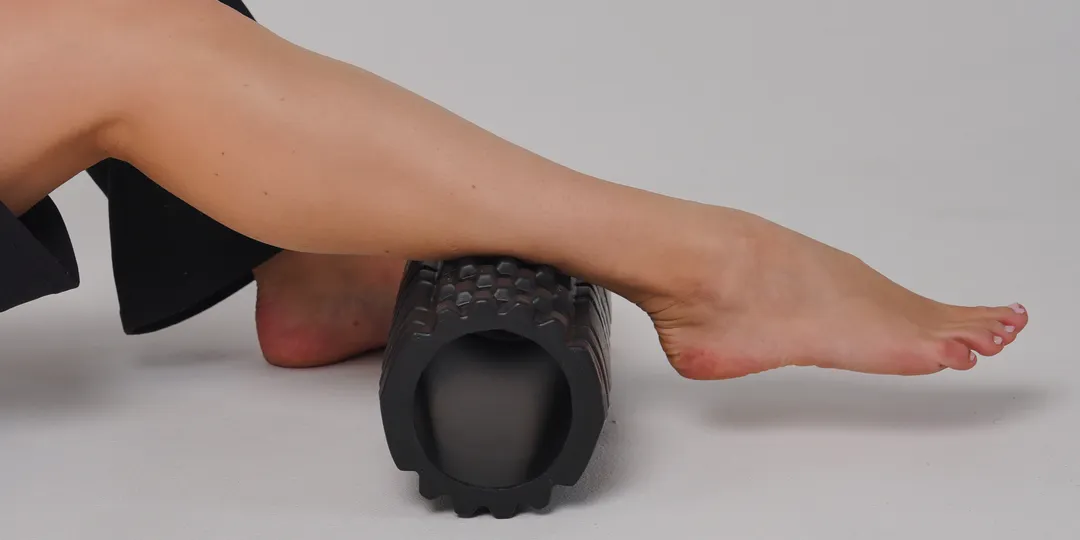
To use a foam roller for faster muscle recovery in four weeks, roll 3–4 times per week for 10–15 minutes per session, spending 30–60 seconds on each major muscle group with moderate pressure and slow, controlled passes. Follow a progressive four‑week plan that starts with basic technique, adds mobility self‑tests, combines rolling with static stretching, and integrates nutrition, sleep tracking, and strategic rest to produce measurable reductions in soreness and gains in range of motion.
This guide walks you through a beginner‑friendly pathway: week‑by‑week milestones, self‑tests, and practical tips for integrating foam rolling with nutrition, sleep tracking, and training consistency.
Week 1 – Foundations: Choosing a Roller, Basic Technique, and Baseline Testing
Start by selecting a roller that matches your tissue tolerance; a medium‑density cylinder (12–18 in) works for most beginners. Place the roller on a firm surface, target one major area at a time — calves, quads, glutes, thoracic spine — and roll slowly, pausing on tender spots for 20–30 seconds. Aim for 2–3 sessions this week, each lasting 10–15 minutes, and note how each area feels before and after using a simple self‑assessment checklist for mobility after rolling.
Key actions
How to foam roll sore legs and back
Research suggests that consistent, low‑intensity rolling improves tissue hydration and reduces delayed‑onset muscle soreness without impairing force production. Evidence also supports combining rolling with light static stretching afterward to maximize range‑of‑motion gains.
Week 2 – Building Consistency: Habit Cues, Session Logging, and Mobility Self‑Tests

Set a fixed cue (post‑workout shower), keep the roller visible, and log each session in a notebook or app. Use the self‑assessment checklist each week — test ankle dorsiflexion, hip flexion, and overhead reach. Record the numbers; a noticeable improvement signals effective adaptation.
Wearable sleep trackers (e.g., Oura ring) provide sleep stage breakdowns and readiness scores; athletes can correlate high readiness with better rolling tolerance and adjust intensity accordingly. Treat the data as a guide, not a rule — individual variability is large.
Weekly tracker template
Objective feedback loops have been shown to increase adherence compared with unmonitored routines.
Week 3 – Advancing Technique: Combining Rolling with Static Stretching and Dynamic Drills

After each rolling segment, hold a 30‑second static stretch for the same muscle group (e.g., standing quad stretch after quad rolling). Add dynamic drills — leg swings, arm circles — to prepare the nervous system for training. This approach addresses tight hips and glutes by pairing glute rolls with a figure‑four stretch.
Sample post‑session stack
Adequate vitamin D status correlates with better muscle function and recovery. Protein timing after resistance training shows a modest advantage when consumed within 30‑60 minutes post‑session; after pure cardio the window is wider. Aim for 20‑30 g high‑quality protein (whey, Greek yogurt, or plant blend) in either case to support repair. Calculate your protein target to match your training goals.
Week 4 – Integration: Aligning Foam Rolling with Nutrition, Sleep, and Training Recovery
A well‑formulated high‑protein diet (1.6‑2.2 g/kg) can spare lean mass during a calorie deficit; however, carbohydrate periodization around heavy sessions often yields better performance. Estimate your calorie needs to align intake with recovery demands.
Most evidence points to 1‑2 full rest days plus 1‑2 active‑recovery days (light rolling, mobility work) per 7‑day cycle, adjusting for training volume and life stress. Prioritize 7‑9 hours of sleep; use sleep data to spot trends and adjust rolling intensity.
Long‑term checklist
Consistency, not intensity, drives lasting mobility and recovery improvements.
Long‑Term Maintenance: Keeping the Gains Beyond Four Weeks

Travel or busy periods can keep the habit alive: bodyweight circuits (push‑ups, air squats, planks) paired with a portable travel roller or lacrosse ball for targeted release. Schedule a 10‑minute roll each evening to maintain tissue quality.
Joint health supplements (collagen peptides, omega‑3s, curcumin) may complement rolling by supporting connective‑tissue resilience; treat them as adjuncts, not replacements for mechanical work. A pre‑workout supplement (caffeine 3‑6 mg/kg plus beta‑alanine) can be added only if tolerated and after establishing a solid rolling and sleep foundation.
For structured deload periods, see how to structure a deload week for strength gains. To adjust training volume during a cut while preserving muscle, refer to how to adjust training volume during a cut.
Conclusion
A four‑week progressive foam‑rolling plan — starting with basic technique, advancing to combined stretching, and embedding the habit into a broader recovery ecosystem — delivers measurable reductions in soreness and gains in range of motion. Pair the routine with adequate protein, individualized vitamin D, quality sleep tracking, and strategic rest to maximize muscle recovery and performance over the long term.
Frequently Asked Questions
How often should I foam roll each week?
Aim for three to four sessions per week, 10–15 minutes each, targeting major muscle groups used in your training.
What is the best way to foam roll sore muscles?
Roll slowly over the muscle belly, pause on tender spots for 20–30 seconds, and avoid joints or bony prominences; follow each area with a brief static stretch.
How many rest days per week are optimal for muscle growth?
One to two full rest days plus one to two active‑recovery days per week generally support hypertrophy while allowing adequate recovery.
What foam roller density is best for beginners?
A medium‑density (12–18 in) roller balances comfort and effectiveness for most new users.