Intermittent Fasting for Muscle Gain: Fasted Workout Planning
Learn how to use intermittent fasting for muscle gain with a step‑by‑step fasted workout schedule, carb timing, recovery supplements, and injury‑prevention.
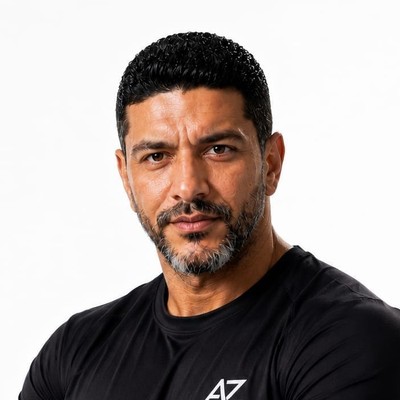

Intermittent fasting can feel like a puzzle when your goal is adding lean tissue, but the pieces fit together once you align eating windows, training timing, and recovery nutrition. In this guide you’ll learn how to pick a fasting protocol that supports hypertrophy, how often to train, when to schedule fasted sessions, whether carbs are mandatory post‑workout, which night‑time supplements actually move the needle, and how to spot overtraining before it stalls progress.
Step 1: Choose the Right Intermittent Fasting Protocol for Muscle Gain
Start by matching your lifestyle to a fasting schedule that still delivers a daily protein surplus. The 16:8 method (16‑hour fast, 8‑hour feeding window) is the most researched for intermittent fasting for muscle gain because it lets you hit 3–4 protein‑rich meals while keeping insulin low during the fast. If you prefer a longer fast, 18:6 works but demands stricter nutrient timing. For shift workers, a 14:10 window can be more sustainable.
Action steps
Common pitfall: Skipping the first meal after the fast and trying to “catch up” later leads to sub‑optimal protein distribution and blunted muscle‑protein synthesis.
Can I build muscle while doing intermittent fasting? Yes — provided you hit daily protein targets (1.6–2.2 g/kg) and maintain a modest caloric surplus within the eating window.
What is the best vegan diet for muscle building? A muscle‑building diet plan for vegans should combine complementary plant proteins (pea, rice, hemp) at each meal, aim for 2 g/kg protein, and include leucine‑rich sources like soy or fortified nutritional yeast.
Step 2: How Many Days per Week Should I Train for Muscle Growth While Fasting?

Research shows that training frequency of 3–5 sessions per week maximizes hypertrophic signaling when volume per session is moderate. The question how many days a week should I train for muscle growth often appears in search because the answer depends on recovery capacity, not just fasting.
Action steps
Common pitfall: Adding a sixth “extra” day without increasing sleep or calories spikes cortisol and erodes the anabolic window created by fasting.
How many days per week should I train to build muscle? Aim for 4 sessions weekly; adjust up or down based on sleep quality, soreness, and performance trends.
Step 3: Schedule Fasted Workouts – Timing, Types, and Pre‑Workout Nutrition
Place resistance training near the end of the fast (e.g., 10–11 am if you break fast at 12 pm) so the post‑workout meal arrives within the nutrient‑timing window. For cardio, the debate hiit vs steady state cardio for fat loss matters: HIIT (10‑min intervals) preserves more muscle and spikes EPOC, while steady‑state (30‑45 min low‑intensity) is easier on joints and can be done daily.
Action steps
Common pitfall: Doing HIIT on the same day as heavy legs without a carb refeed leads to glycogen depletion and performance drop.
Is HIIT better than steady‑state cardio for losing belly fat? HIIT yields greater visceral‑fat reduction per minute, but steady‑state is superior for total caloric expenditure when time permits.
Step 4: Do I Need Carbs After a Fasted Workout to Preserve Lean Mass?

The short answer: do I need carbs after workout depends on training intensity and next‑meal timing. If you train fasted and break the fast within 60 min, a mixed meal (protein + carb) restores glycogen and spikes insulin enough to blunt muscle breakdown. If your next meal is >3 h away, a rapid‑digest carb source (e.g., 30‑40 g dextrose or a banana) plus 20‑30 g whey is advisable.
Action steps
Common pitfall: Over‑consuming carbs (“carb‑loading”) after every session adds unnecessary calories and blunts the fat‑oxidation benefit of fasting.
Do I need to eat carbs after a workout? Only when the next protein‑rich meal is delayed >2 h or when glycogen replenishment is critical for a second daily session.
Should I take BCAA or protein powder after training? Protein powder vs BCAA for muscle recovery — whey delivers a complete amino‑acid profile and ~3 g leucine per scoop, outperforming isolated BCAAs for net protein synthesis.
What should I eat in a post‑workout shake for fat loss? A best post‑workout shake for fat loss blends 20 g whey isolate, 1 tbsp chia seeds, ½ cup frozen berries, water/almond milk — high protein, low carb, fiber for satiety.
Step 5: Nighttime Recovery – Best Supplements for Muscle Repair and Fat Loss
Sleep is the primary anabolic window; certain supplements amplify repair without breaking the fast. The best recovery supplements for nighttime muscle repair include casein (slow‑digest protein), magnesium glycinate, tart cherry extract, and 3 g glycine. These support overnight muscle‑protein synthesis, reduce cortisol, and improve sleep quality.
Action steps
Common pitfall: Taking stimulant‑based “fat‑burner” blends at night disrupts deep sleep and negates recovery gains.
What are the best supplements for recovery at night? Casein, magnesium glycinate, tart cherry, and glycine form a low‑cost, evidence‑backed stack.
Does calorie cycling work for fat loss? Alternating higher‑calorie “refeed” days (↑200‑300 kcal carbs) with lower‑calorie fast days can preserve metabolic rate and leptin, but only if weekly average remains in a deficit.
Step 6: Monitor Overtraining – Signs, Adjustments, and Long‑Term Success

Tracking subjective and objective markers prevents the silent slide into overreaching. The checklist how to prevent overtraining injuries includes heart‑rate variability (HRV), resting heart rate, sleep latency, mood, and performance plateaus.
Action steps
Common pitfall: Ignoring a single bad night’s sleep and pushing through leads to cumulative fatigue that mimics “lack of progress.”
How can I tell if I'm overtraining? Persistent HRV drop >10 %, elevated resting HR >5 bpm, irritability, and stalled lifts despite adequate nutrition signal overtraining.
Conclusion
Aligning intermittent fasting for muscle gain with a structured training frequency, smart fasted‑session timing, targeted post‑workout nutrition, and a night‑time recovery stack creates a synergistic system where fat loss and hypertrophy coexist. Start with a 16:8 window, train four days per week, place resistance work at the tail end of the fast, fuel the first meal with protein + moderate carbs, and finish each day with casein, magnesium, and tart cherry. Monitor HRV and sleep weekly; adjust volume before fatigue becomes injury. Follow these steps consistently, and the scale will reflect more muscle, less fat, and a sustainable rhythm you can keep for years.
Ready to put these strategies into practice? Try Alkemos’s free tools — calculate your daily needs with the calorie calculator and build a personalized meal plan — before deciding if coaching is right for you.
Frequently Asked Questions
Can I build muscle while doing intermittent fasting?
Yes, you can maintain or even gain muscle while intermittent fasting by timing protein intake around workouts and ensuring sufficient calories.
What are the best supplements for recovery at night?
Magnesium glycinate, zinc, casein protein, and a low‑dose melatonin are commonly used to support nighttime muscle repair and sleep quality.
Is HIIT better than steady‑state cardio for losing belly fat?
HIIT can burn more calories in a shorter time and boost metabolism, but steady‑state cardio remains effective; the best choice depends on personal preference and recovery ability.
Do I need to eat carbs after a workout?
Carbs help replenish glycogen, but if your protein intake is adequate and your goal is fat loss, you can limit post‑workout carbs and still recover well.
How many days per week should I train to build muscle?
Most people see optimal muscle growth training 3–5 days per week, balancing volume and recovery based on experience level.
Should I take BCAA or protein powder after training?
Whole protein powders provide all essential amino acids and are generally more effective than BCAAs alone for muscle repair.
What should I eat in a post‑workout shake for fat loss?
A shake with whey or plant protein, a small amount of fruit, and unsweetened almond milk delivers protein without excess calories.
How can I tell if I'm overtraining?
Signs include persistent fatigue, declining performance, sleep disturbances, and increased resting heart rate.
What is the best vegan diet for muscle building?
Combine high‑protein plant foods like lentils, tofu, tempeh, and pea protein, and ensure adequate calories, B12, iron, and omega‑3s.
Does calorie cycling work for fat loss?
Calorie cycling can help manage metabolic adaptation and keep hormones favorable, but consistency and total weekly deficit are key.