How to Use a Heart Rate Monitor for Fat Loss – Simple Science
Learn how to use a heart rate monitor for fat loss with clear science, research findings, and a step‑by‑step guide to set zones and increase calorie burn.
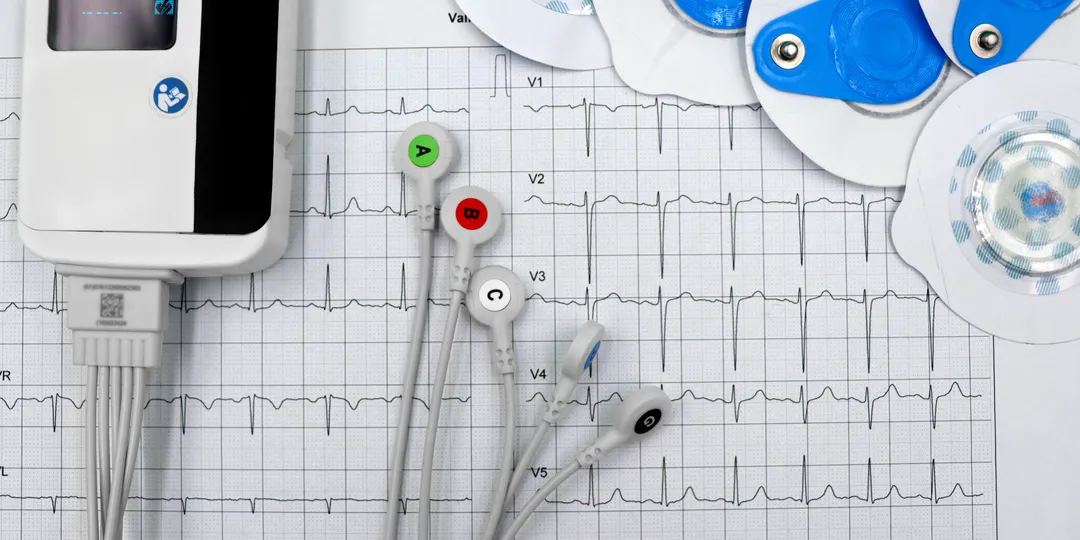
A heart‑rate monitor lets you train in the intensity range where fat oxidation peaks — typically 60‑70 % of your maximum heart rate — so you burn more calories from fat while sparing muscle. By tracking beats per minute in real time you can adjust effort instantly, avoid the “too easy” or “too hard” traps, and accumulate the weekly volume research links to greater fat loss.
What exactly does a heart rate monitor measure and why does it matter for fat loss?
A heart‑rate monitor records the electrical signals of each heartbeat and converts them into beats‑per‑minute (BPM) data. This single metric reflects how hard your cardiovascular system is working, which directly determines the proportion of energy derived from fat versus carbohydrate. When you stay inside the heart rate zones for fat burning (often called Zone 2), mitochondrial fat oxidation is maximized and the body relies less on glycogen, preserving muscle tissue during a calorie deficit. Knowing your exact BPM removes guesswork from “how to use a heart rate monitor for fat loss” and lets you repeat the same stimulus session after session.
How does training in specific heart‑rate zones boost calorie burn while preserving muscle?

Training at 60‑70 % of max HR keeps the respiratory exchange ratio low, meaning a higher percentage of each calorie comes from stored fat. At the same time, the mechanical tension from resistance work — whether a kettlebell hypertrophy workout for beginners or traditional barbell lifts — still signals muscle retention because the load is unchanged. Research suggests that athletes who combine Zone 2 cardio with progressive overload lose more fat and keep more lean mass than those who only do high‑intensity intervals. The optimal cardio intensity for weight loss therefore sits at the intersection of sufficient oxidative demand and low enough stress to avoid excessive cortisol spikes. For a deeper look at blending cardio and resistance, see our guide on how to combine HIIT with strength training.
Evidence: Studies comparing fat‑loss results with and without heart‑rate monitoring
Evidence suggests that participants who used continuous HR feedback achieved a modestly greater reduction in body‑fat percentage over 12 weeks compared with a control group that relied on perceived exertion alone. The monitoring group also reported better adherence because they could see when they drifted out of the target band and correct it immediately. While individual responses vary, the trend holds across different modalities — steady‑state cycling, rowing, and mixed‑modal circuits — indicating that the feedback loop itself is a meaningful variable.
Step‑by‑step: Setting your target heart‑rate zones for optimal fat loss

- Estimate max HR – Use 208 – 0.7 × age (more accurate than 220‑age). This formula is based on a widely cited validation study (Tanaka et al., 2001) PubMed.
- Calculate Zone 2 – Multiply max HR by 0.60 and 0.70. Example: 35‑year‑old → max ≈ 184 BPM → Zone 2 = 110‑129 BPM.
- Validate with a field test – Warm up 10 min, then run 5 min at the upper Zone 2 limit; if you can speak in short sentences, the zone is correct.
- Program weekly volume – Aim for 150‑180 min in Zone 2 spread over 3‑5 sessions. This answers how many cardio sessions per week while bulking if you’re in a surplus but still want fat oxidation. For guidance on balancing cardio volume with muscle retention, see adjust training volume during a cut.
- Track with an app – The best heart rate monitor apps 2024 let you set custom zones, export CSV files, and overlay HR on GPS maps for outdoor work.
Practical tips: Using heart‑rate data during cardio, strength, and mixed workouts

Common pitfalls and how to avoid mistakes when tracking heart rate for weight loss
Conclusion
A heart‑rate monitor turns subjective effort into an objective, repeatable metric. By calculating your personal Zone 2, logging at least 150 minutes per week in that band, and coupling the cardio with progressive resistance — whether a kettlebell hypertrophy workout for beginners or a barbell program — you create a physiological environment that favors fat oxidation while protecting lean tissue. Add sensible nutrition timing, joint support, probiotic intake, and cortisol management, and the system becomes a reliable engine for sustainable fat loss.
Frequently Asked Questions
Can a heart rate monitor improve my weight loss results?
Yes. Real‑time feedback keeps you in the intensity range where fat oxidation is highest, prevents accidental overtraining, and improves adherence, all of which research links to greater fat‑loss outcomes.
How does cortisol affect fat loss?
Elevated cortisol increases muscle protein breakdown, promotes abdominal fat deposition, and reduces insulin sensitivity, making it harder to mobilize stored fat even when calories are controlled.
What is the simplest way to calculate my target heart rate for fat burning?
Use the formula 208 – 0.7 × age to estimate max HR, then multiply by 0.60 and 0.70 to get the lower and upper bounds of Zone 2.