How to Choose a Smartwatch for Fitness Tracking & Gains
Discover how to choose a smartwatch for fitness tracking with this step‑by‑step checklist. Compare features, battery life, health metrics, and budget options.
How to Choose a Smartwatch for Fitness Tracking & Gains
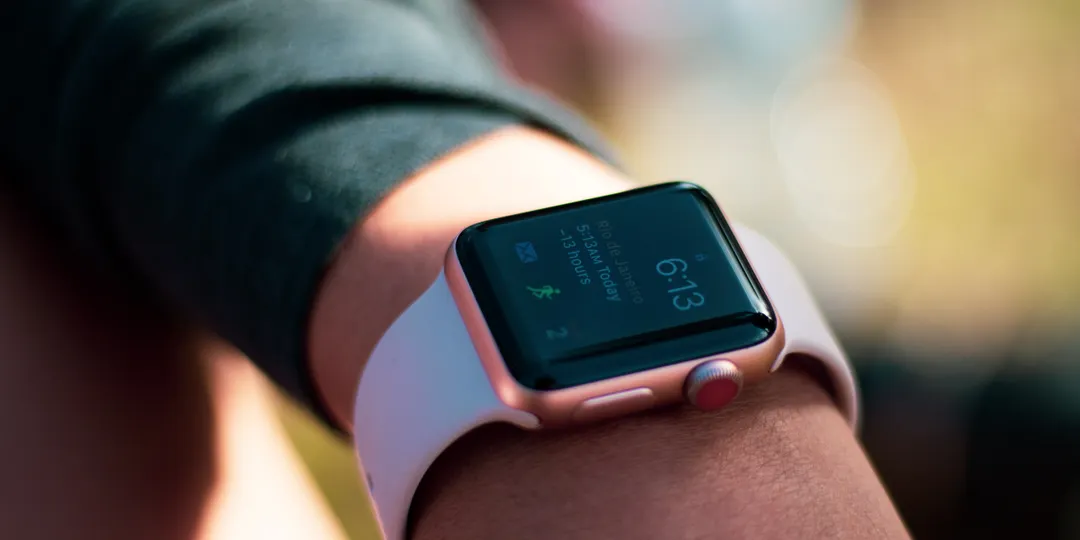
To choose a smartwatch for fitness tracking and gains, prioritize reliable heart‑rate monitoring, built‑in GPS, at least 5 ATM water resistance, multi‑day battery life, and seamless sync with your preferred apps. Look for recovery‑focused metrics such as heart‑rate variability (HRV) and sleep staging to help balance training load and recovery.
What features should I prioritize when picking a fitness smartwatch?

When evaluating a fitness smartwatch, the core sensors matter most. Accurate heart‑rate monitoring is essential for gauging effort during strength sets, HIIT intervals, and steady‑state cardio. Look for models that use multi‑LED optical sensors or offer the option to pair with a chest strap for higher precision during intense bursts. Built‑in GPS lets you map runs, rides, or open‑water swims without carrying a phone, and a water resistance rating of 5 ATM or higher ensures the watch survives showering, sweat, and triathlon‑leg swims.
Beyond the basics, consider recovery‑oriented tools. Many watches now provide HRV readings, stress scores, and sleep‑stage breakdowns that help you gauge when to push hard and when to ease off. On‑board workout detection for lifting, cycling, and swimming can auto‑log sessions, reducing manual entry. Finally, a bright, always‑on display and intuitive button layout make it easier to glance at metrics mid‑set without breaking focus.
Which smartwatch battery life is best for daily training?
Battery life directly affects how often you need to charge and whether the watch will survive a full day of training, work, and sleep tracking. For most athletes who train once or twice daily, a device that lasts at least 48 hours on a single charge with heart‑rate monitoring and GPS active is sufficient. If you log long endurance sessions (e.g., two‑hour runs or brick workouts), aim for models that advertise up to five days of mixed‑use battery life.
Keep in mind that enabling always‑on GPS, continuous SpO₂ monitoring, or music streaming will drain power faster. A practical approach is to start with the default balanced mode, then adjust sensors based on the workout type. For example, turn on GPS only for outdoor runs and rely on connected‑GPS (phone) for indoor treadmill sessions to extend battery life.
Compatibility checklist: apps, OS, and external sensors

A smartwatch is only as useful as the ecosystem it plugs into. First, verify that the watch’s operating system pairs smoothly with your smartphone—whether you run iOS or Android. Most major brands offer companion apps that sync workout data, sleep trends, and recovery scores to platforms like Strava, TrainingPeaks, or Apple Health.
Next, consider external sensor compatibility. If you already use a Bluetooth heart‑rate strap, foot pod, or power meter for cycling, ensure the watch supports those profiles. Some watches also allow ANT+ connections, which can be handy for linking to gym equipment like treadmills or rowing machines that broadcast workout metrics.
Finally, check for third‑party app support. Being able to install favorite training timers, interval programs, or nutrition logs directly on the watch can streamline your routine and reduce phone‑checking during sets.
Health metrics to track beyond steps – heart rate, SpO₂, stress & recovery
While step counts are a nice baseline, the real value of a fitness smartwatch lies in deeper physiological data. Continuous heart‑rate tracking lets you see how quickly your pulse rises and falls during rest intervals, a useful proxy for cardiovascular fitness (How to Use a Heart Rate Monitor for Fat Loss – Simple Science). SpO₂ (blood oxygen saturation) sensors, when accurate, can signal early signs of fatigue or altitude stress, especially useful for athletes training at elevation.
Many devices now calculate a stress score based on heart‑rate variability trends; a rising stress score over several days may indicate insufficient recovery. Pair this with sleep‑stage analysis—deep sleep and REM percentages—to get a fuller picture of overnight repair. When these metrics trend downward together, it’s a signal to dial back intensity or add an extra rest day.
Budget vs performance: cost‑effective models that still deliver

You don’t need to spend flagship prices to get a capable training watch. Several mid‑range options deliver reliable heart‑rate data, GPS, and 5 ATM water resistance for under $150. Look for models that prioritize sensor quality over flashy extras like LTE or extensive app stores; the core training metrics remain solid.
If your budget allows $200‑$300, you gain advantages such as longer battery life, more robust build materials (e.g., stainless steel bezels), and advanced recovery features like guided breathing or detailed HRV trends. For athletes who frequently swim or participate in triathlons, investing in a watch with a higher water resistance rating (10 ATM) and dedicated swim metrics can be worthwhile.
Remember that the best value comes from matching the watch’s strengths to your specific training mix. A runner who rarely lifts may prioritize GPS accuracy and battery, whereas a strength‑focused athlete might value rep‑counting algorithms and stress‑recovery scores more highly.
Extra recovery tools: anti‑inflammatory food tips and post‑workout protein timing
Recovery isn’t limited to what the watch measures; nutrition plays a huge role. Incorporating anti‑inflammatory foods for joint health—such as fatty fish rich in omega‑3s, leafy greens, berries, nuts, and olive oil—can help mitigate soreness after heavy lifting sessions (anti‑inflammatory foods). These foods work by modulating inflammatory pathways, supporting connective‑tissue repair, and promoting overall joint comfort.
Regarding post‑workout protein timing, research suggests that consuming a moderate amount of high‑quality protein (high‑quality protein) within the two‑hour window after training supports muscle‑protein synthesis, but the total daily protein intake remains the primary driver. If you prefer a caffeine‑free recovery aid, consider supplements like creatine monohydrate (creatine monohydrate), beta‑alanine, or tart cherry extract, which have evidence‑backed roles in reducing muscle fatigue and inflammation without stimulants.
Pair these nutrition strategies with the recovery metrics on your smartwatch—watch for improvements in HRV and resting heart rate as signs that your anti‑inflammatory diet and protein timing are aiding recovery.
Conclusion
Selecting a fitness smartwatch boils down to matching sensor accuracy, battery life, compatibility, and recovery features to your training habits and goals. Start by identifying the non‑negotiables—reliable heart‑rate, GPS, and sufficient water resistance—then layer on extra metrics like HRV and SpO₂ if they help you fine‑plan intensity and rest. Use the watch’s data to guide nutrition choices, such as adding anti‑inflammatory foods for joint health and monitoring post‑workout protein timing, while choosing caffeine‑free recovery supplements that fit your routine.
Frequently Asked Questions
How do I sync my smartwatch with fitness apps?
Install the manufacturer’s companion app on your smartphone, grant it permission to access health data, then link the app to third‑party platforms like Strava or Apple Health through the app’s settings.
What is smartwatch heart rate accuracy for HIIT?
Optical sensors are generally reliable for moderate‑intensity work; during very high‑intensity intervals, pairing a chest strap or using a watch with improved sensor placement can improve accuracy.
What are some budget‑friendly fitness smartwatch recommendations?
Several brands offer reliable heart‑rate, GPS, and 5 ATM water resistance in the $100‑$150 range, providing solid core features without the premium price tag.