Home Core Specialization
4-day/week program for deep core and abs training. Suitable for all levels, beginners can reduce reps.
How this program works — and how to progress
A core specialization program builds trunk strength with direct abdominal work at higher weekly frequency. Slow, braced repetitions beat fast ones here — quality of contraction is the stimulus — and progression means harder variations and longer time under tension, not endless reps. Keep your lower back safe by pressing it into the floor on supine movements.
Load progression, by the numbers
Progression numbers: start the plank at 20-30 seconds and add 5 seconds each week all sets complete with clean position; at 60 seconds move to a harder variation (one leg raised, then one arm) and drop back to 30. On rep-based movements: a controlled 3-second lowering on every rep, and once you own the top of the range at that tempo, graduate to a harder variation instead of more reps. Frequency: 3-4 sessions a week is the ceiling — the core recovers between sessions like any muscle.
Who this program is for — and who it is not
For you if your trunk is the weak link in your lifts or your sitting posture across long work hours, or you are after better stability overall. Not for you if the goal is visible abs — visibility is driven by body-fat percentage, not ab-work volume: the body-fat calculator and then a matched food plan are the road to definition, and this program strengthens what sits underneath.
8 weeks
4 days/week
General Fitness
Weekly Schedule
Upper + Lower Abs
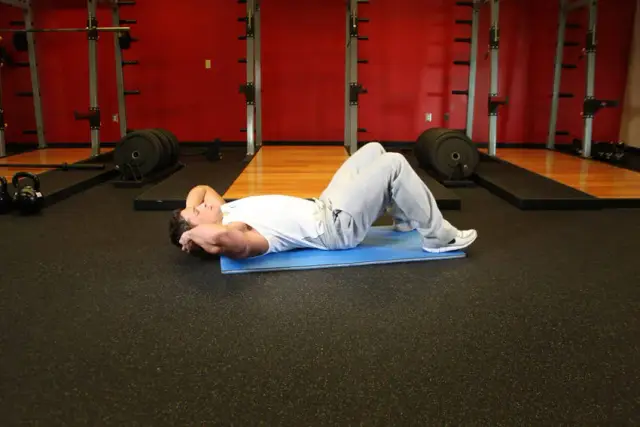
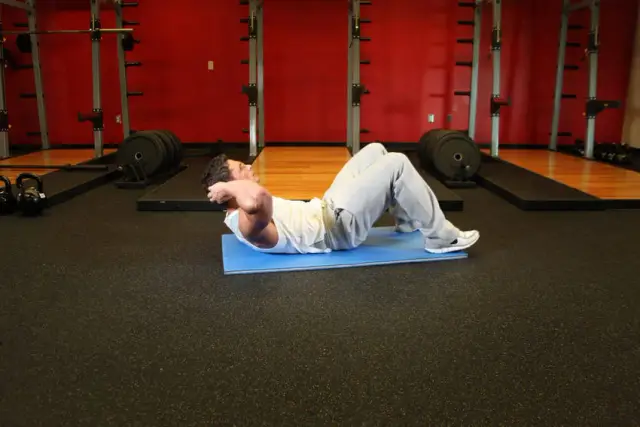
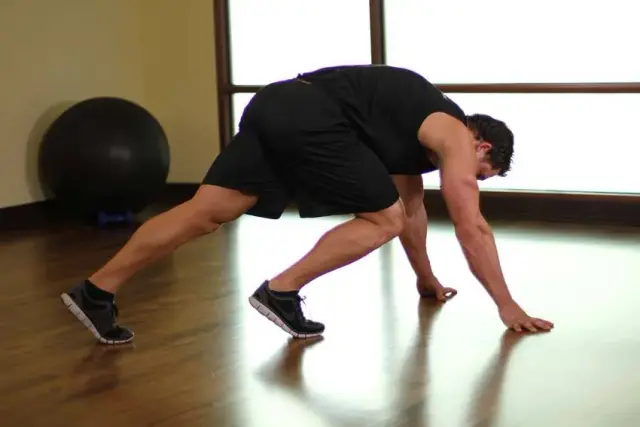
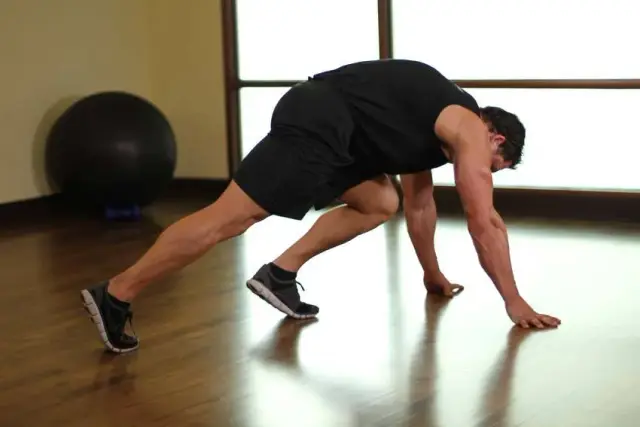
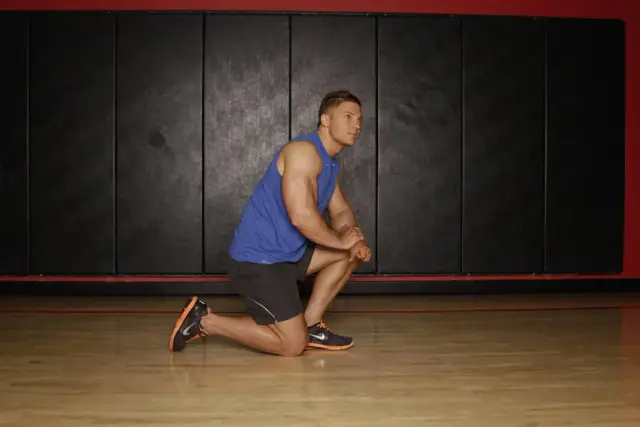
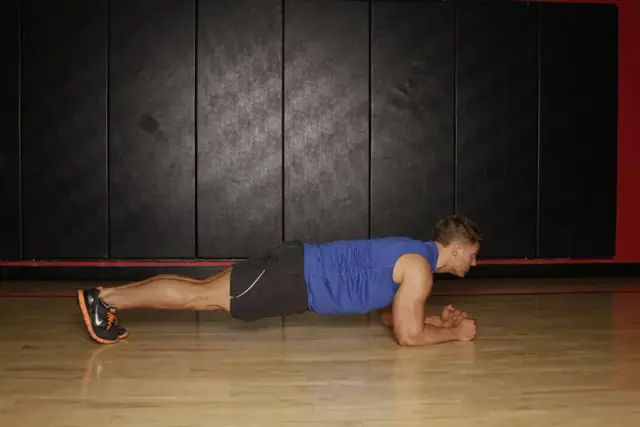
Obliques + Stability
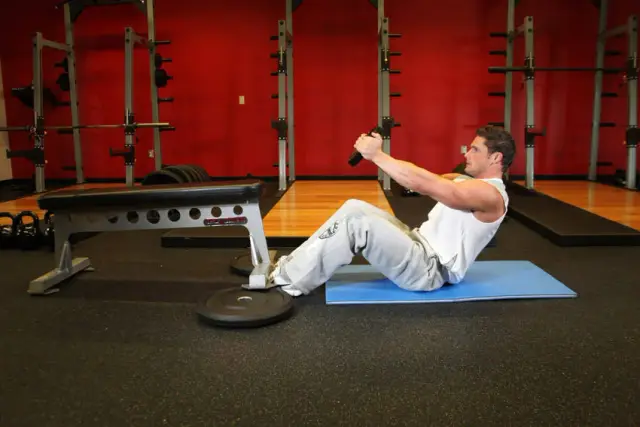
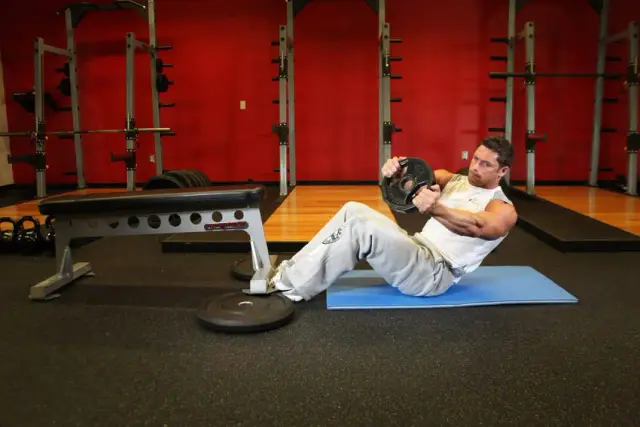
Rest
Rest day — relax or walk
Take a rest — your body needs it to recover
Full Core + Cardio
Rest
Rest day — relax or walk
Take a rest — your body needs it to recover
Advanced Abs
Rest
Rest day — relax or walk
Take a rest — your body needs it to recover
About the Home Core Specialization — common questions
Do ab exercises burn belly fat?
No — spot-reducing fat by exercising the area above it is a myth studies have rejected for decades: the work strengthens the muscle underneath while the fat is drawn from the whole body by a calorie deficit. Train the core here for strength and stability, and lose the fat in the kitchen — the two work together, neither replaces the other.
Why slow reps specifically?
Because the trunk works by resistance, not speed: the full contraction under tension without momentum is the real stimulus, and rushing hands the load to the hip flexors and assisting muscles, stealing the stimulus from the abs. Three controlled seconds of lowering match the effect of many uncontrolled, faster reps.
My lower back hurts during the moves — push through?
Pain is a stop sign, not something to push through. The common cause is technical: a lordotic arch on supine moves — press your lower back into the floor and keep it pinned. Drop the movement that hurts, keep what does not, and rebuild the technique at shorter holds or easier variations — and if the pain survives rest, a professional assessment before returning is the right call.
Want a personalized plan?
Build your own plan with AI: your goals, level, and preferences in — a full schedule out.
Get a personalized plan ›