Fat Loss — Home HIIT
A 4-day/week HIIT program built for fat loss, with 20-30 minute sessions. For intermediate trainees with a training base.
How this program works — and how to progress
HIIT alternates short work intervals with incomplete recovery to keep your heart rate high and calorie burn efficient. Work at an effort you can hold for the whole interval — not a sprint that dies mid-round — and treat the listed rest as a ceiling: as conditioning improves, shorten the rests before lengthening the work. Recovery days are part of the program, not a failure.
Load progression, by the numbers
This program's progression in numbers: start at a 1:1 work-to-rest ratio (say 30 seconds of work for 30 seconds of rest). Every two weeks in which you complete every session, cut the rest by 5 seconds (down to 30 seconds of work for 15 of rest) before ever lengthening the work intervals. Count your reps inside each interval: the count rising across weeks at the same quality is the honest conditioning measure. Ceiling: 4 sessions a week — beyond that you spend recovery faster than you buy burn.
Who this program is for — and who it is not
For you if fat loss is the goal, time is short (sessions run 20-30 minutes), and your heart and joints are healthy. Not for you with a cardiac condition, uncontrolled blood pressure, or an acute knee or ankle injury (regular walking first), nor if you expect the intervals alone to melt fat — the food deficit is the engine, and the calorie calculator is step one.
6 weeks
4 days/week
Fat Loss
Weekly Schedule
HIIT — Full Body


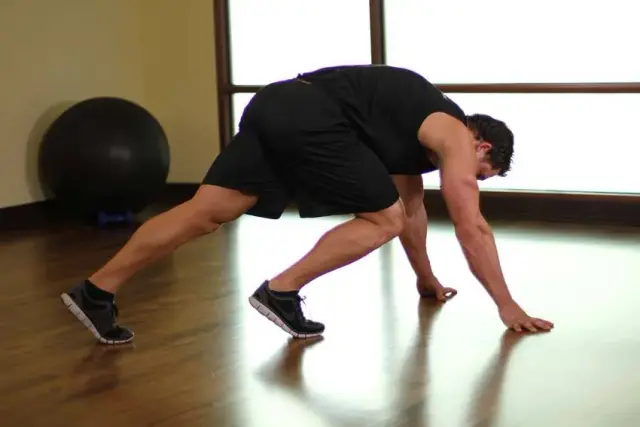





Rest
Rest day — relax or walk
Take a rest — your body needs it to recover
HIIT — Core + Cardio
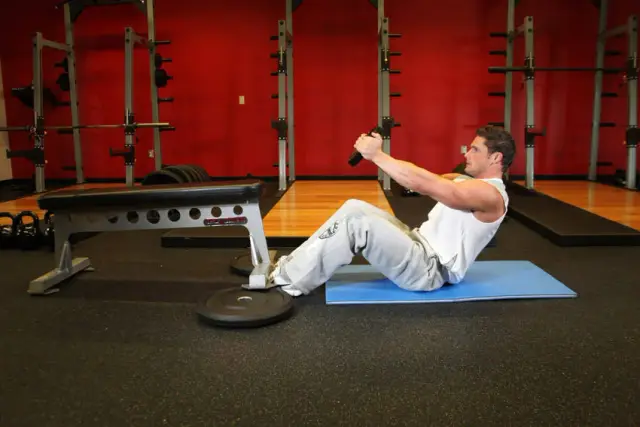
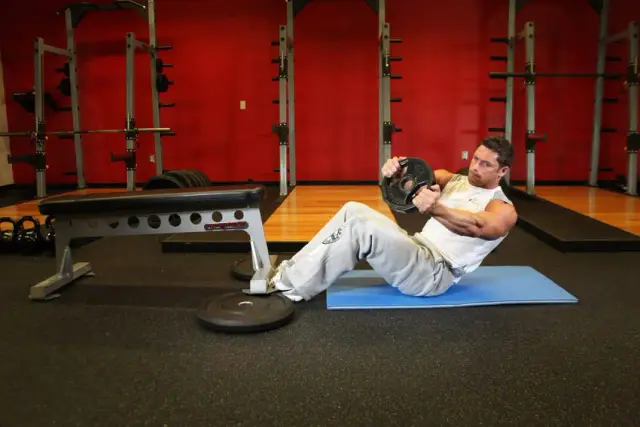


Rest
Rest day — relax or walk
Take a rest — your body needs it to recover
HIIT — Legs + Strength





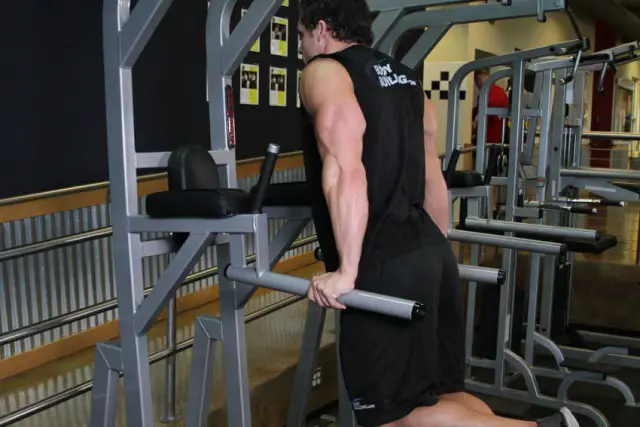
Rest
Rest day — relax or walk
Take a rest — your body needs it to recover
About the Fat Loss — Home HIIT — common questions
Is HIIT alone enough to lose fat?
Honestly: rarely. Fat loss is driven by a sustainable calorie deficit, and intense intervals are an excellent efficiency tool that accompanies the deficit rather than replacing it. The practical equation: one or two interval sessions a week with daily walking and a moderate food deficit beats any single element alone — start by calculating your daily needs, then pick a meal-plan level that matches.
How many sessions a week — and why is there a ceiling?
Two to three sessions between beginner and intermediate, and a ceiling of four for the advanced. Above that, fitness does not accumulate faster — stress does: sleep frays, appetite rises, performance drops. The rest days inside the schedule are part of the design, not a failure of commitment.
I felt dizzy after round two — what do I do?
Stop the session and sit down. The usual causes: an intensity above your current conditioning (the target effort is one that completes every interval, not one that dies mid-way), too little food in the two hours before, or short hydration. Return at twenty percent less effort and you will likely finish — and if the dizziness repeats, a medical check before coming back is the right call.
Want a personalized plan?
Build your own plan with AI: your goals, level, and preferences in — a full schedule out.
Get a personalized plan ›